


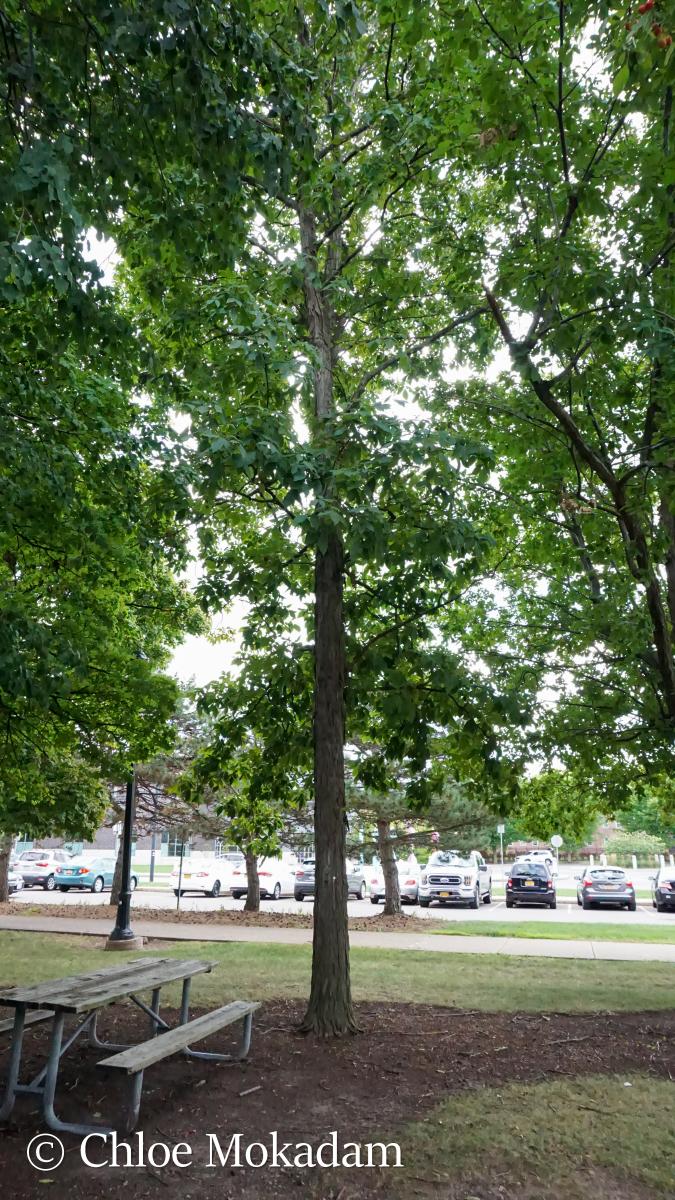
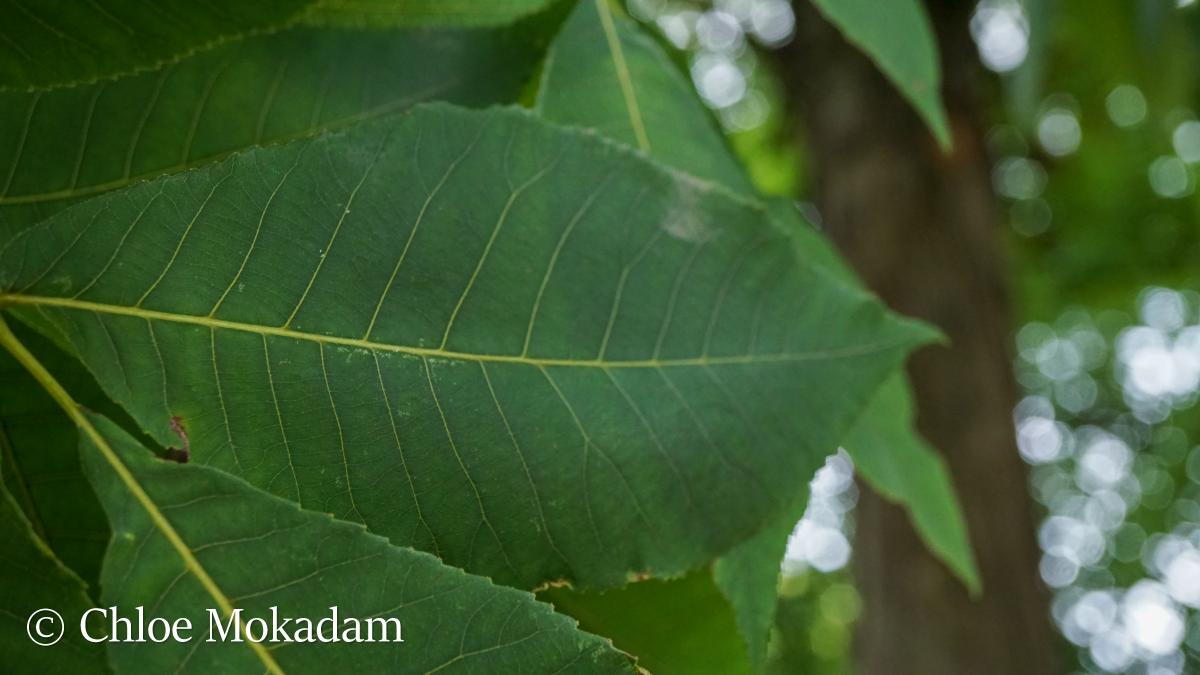
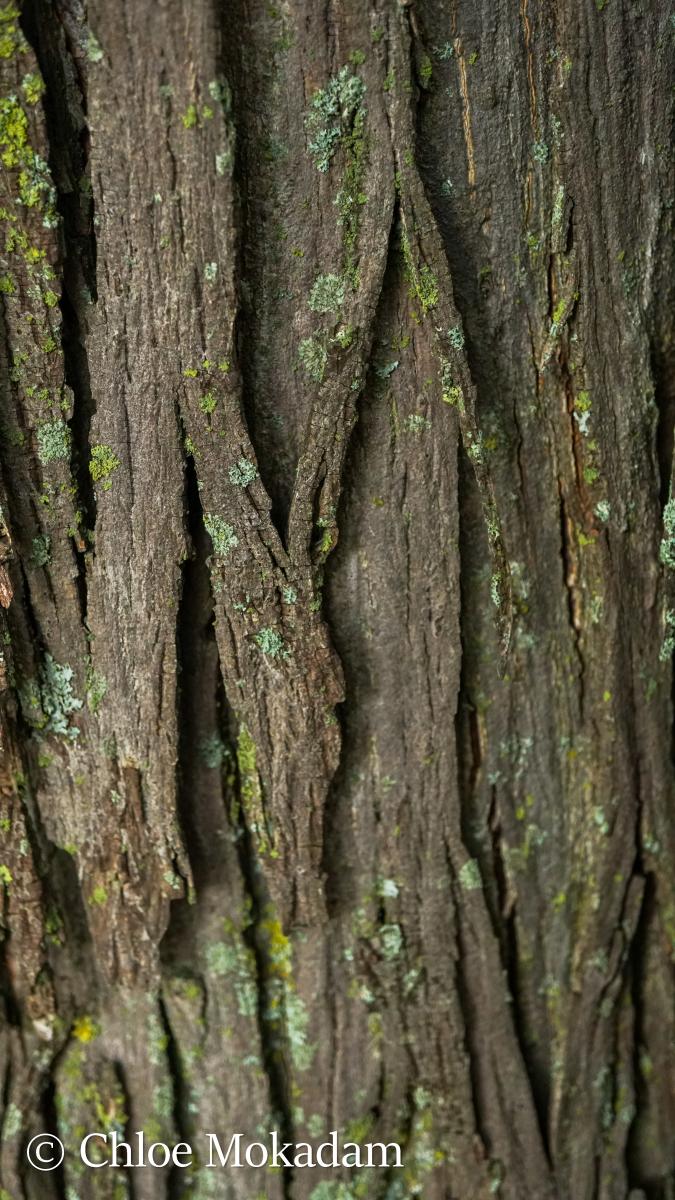
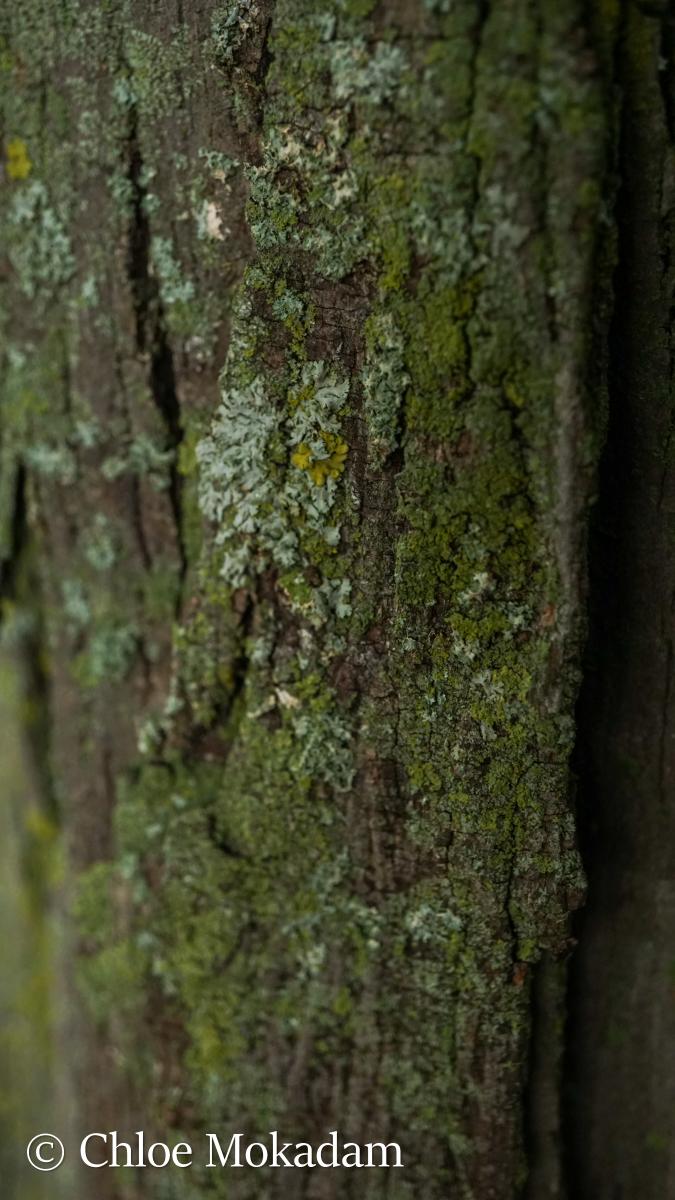
Scientific name: Carya ovata
Common name: Shagbark Hickory
Native: Yes
Native range: Native to most of the eastern United States, as well as some parts of southeastern Canada [1,2].
Distribution in North America: Click to view the USDA Plants Database page for C. ovata.
USDA Zones: 5-8A [1]
Maximum age: Lives to 250 years on average, but may live as long as 300 years [4].
Ecology: Hickory nuts are consumed by black bears, foxes, mice, ducks, and turkeys in small quantities, but they are a vital food source for squirrels and chipmunks [2]. Indeed, Buffalo State's shagbark hickories are a favorite of the resident squirrel population. Its foliage supports the caterpillars of many butterflies and moths, including those of the luna moth, Actias luna [5].
Ethnobotany: Hickory wood is often used as charcoal, because it imparts a smoky, umami flavor to food [2]. The nuts are palatable and feature prominently in the recipes of Indigenous American groups, including the Haudenosaunee [2,3].