


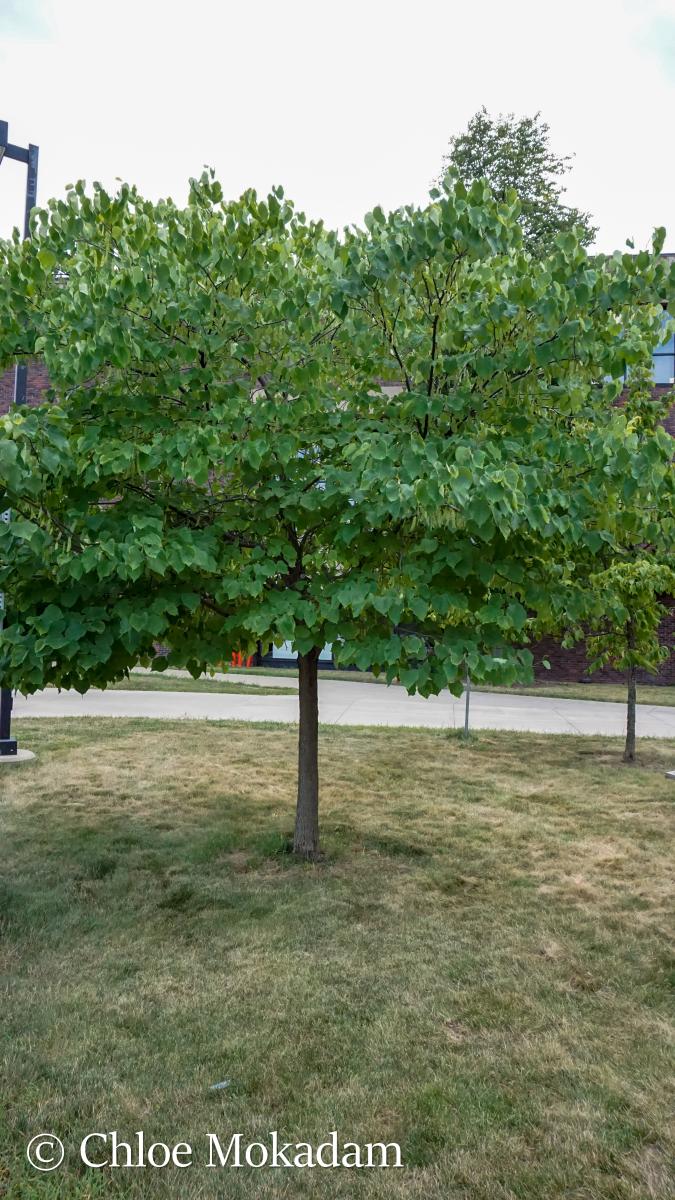
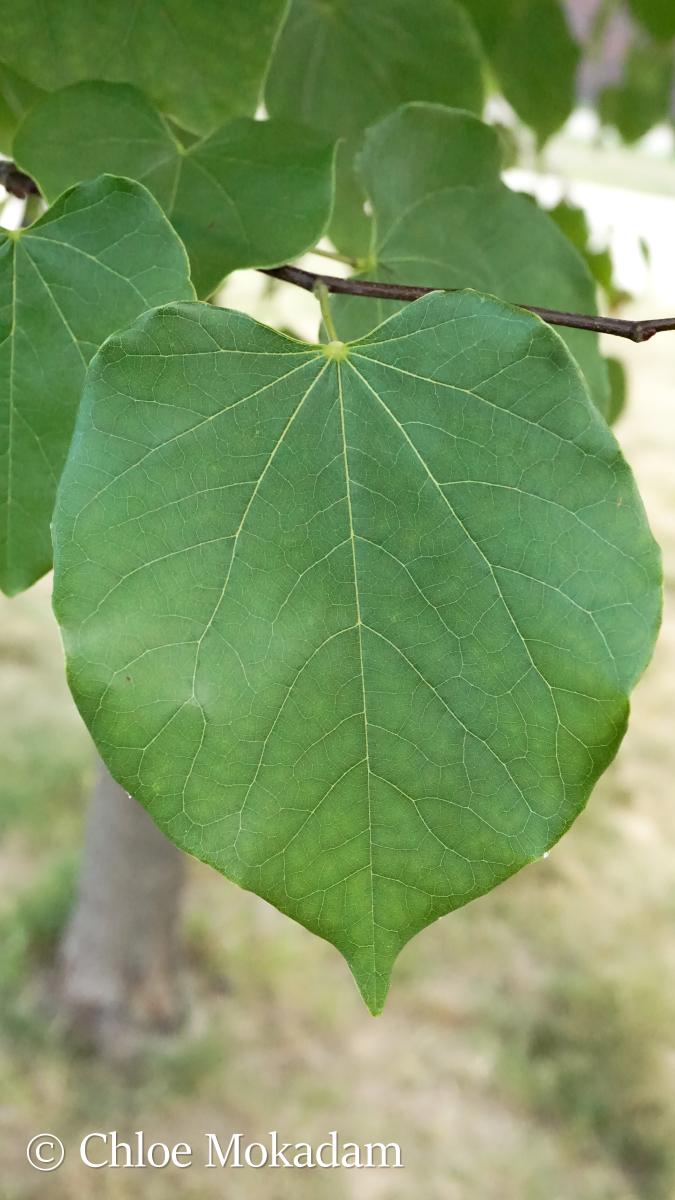
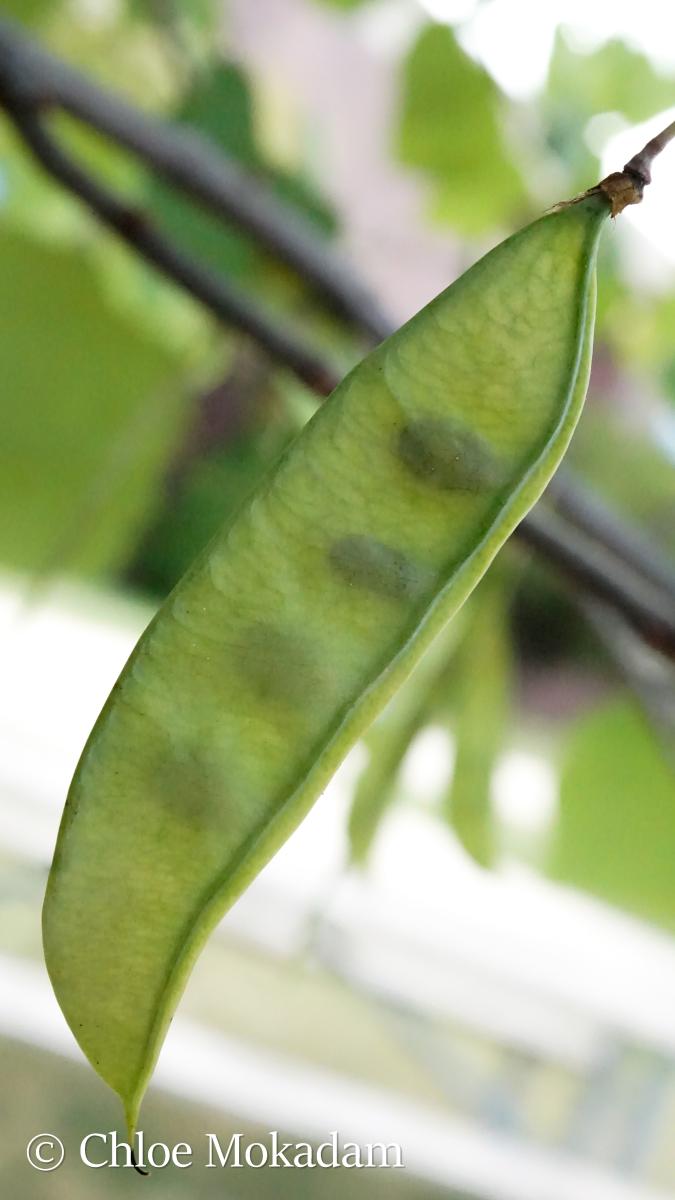
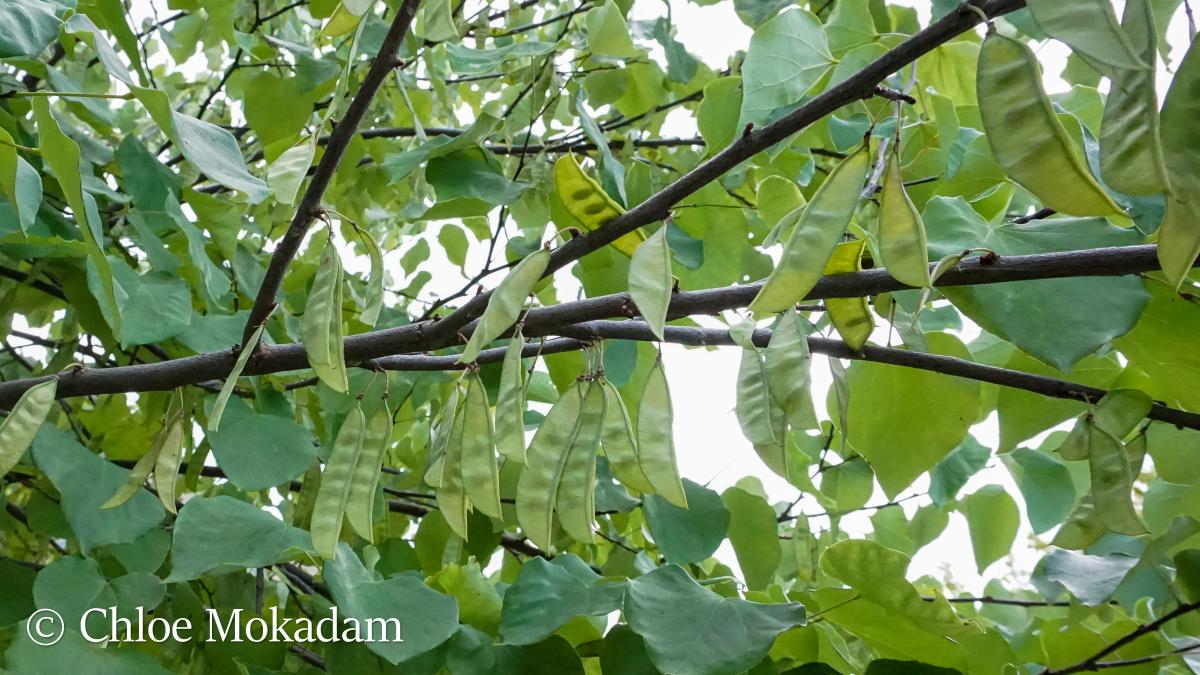
Scientific name: Cercis canadensis
Common name: Eastern Redbud
Native: Yes
Native range: Native to the eastern United States, south-central United States, and parts of southeastern Canada [1,3,4,6].
Distribution in North America: Click to view the USDA Plants Database page for C. canadensis.
USDA Zones: 4B-9A [4]
Maximum age: Rarely lives longer than 30 years [4].
Ecology: Hummingbirds visit the flowers, while various birds, deer, and squirrels consume the seeds [1,2,3,6]. Its early blooming floral display is an important nectar resource for honeybees, native bee species, and butterflies [7].
Ethnobotany: The flowers are edible, palatable, and make for a beautiful feature in salads [1,2,3,6]. They can also be dredged in flour, fried, and eaten as fritters [1,6]. Indigenous American groups use the tree as a fever-reducer, cold remedy, treatment for dysentary, and a treatment for whooping cough, as well as a source of materials for basketry [1,2,3,5,6].
[1] https://plants.usda.gov/DocumentLibrary/
[2] https://plants.usda.gov/DocumentLibrary/
[3] https://plants.usda.gov/DocumentLibrary/
[4] http://hort.ufl.edu/trees/cercana.pdf
[5] http://naeb.brit.org/uses/species/837/
[6] https://www.srs.fs.usda.gov/pubs/
misc/ag_654/volume_2/cercis/canadensis.htm