


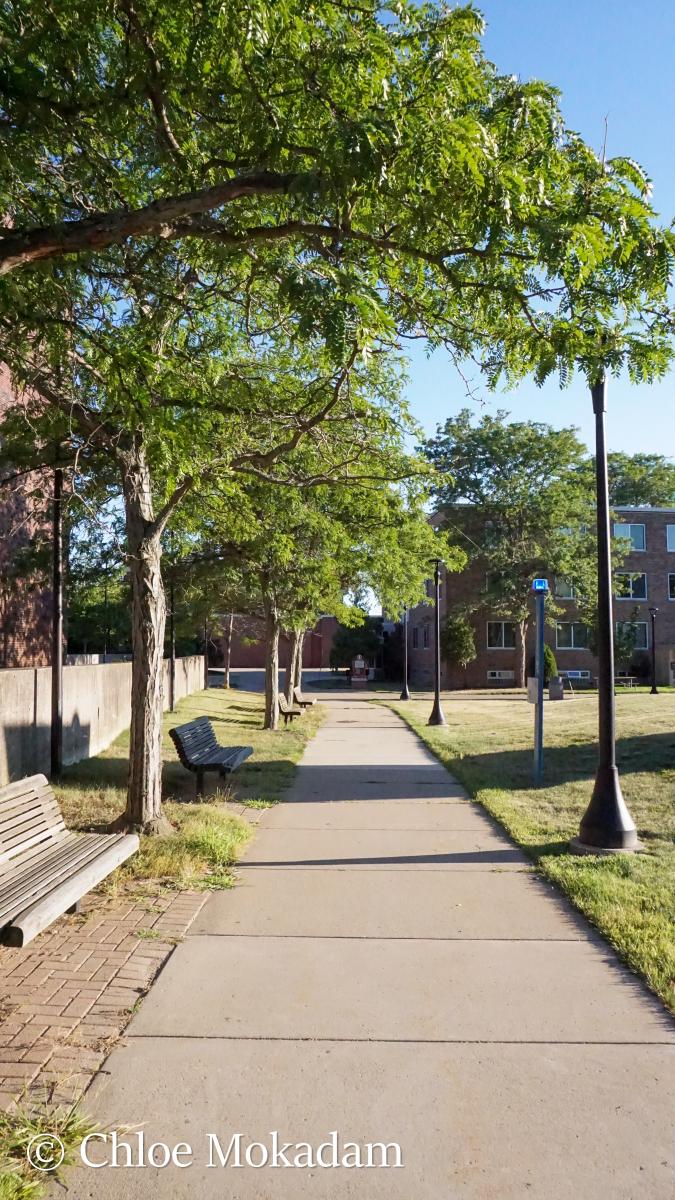


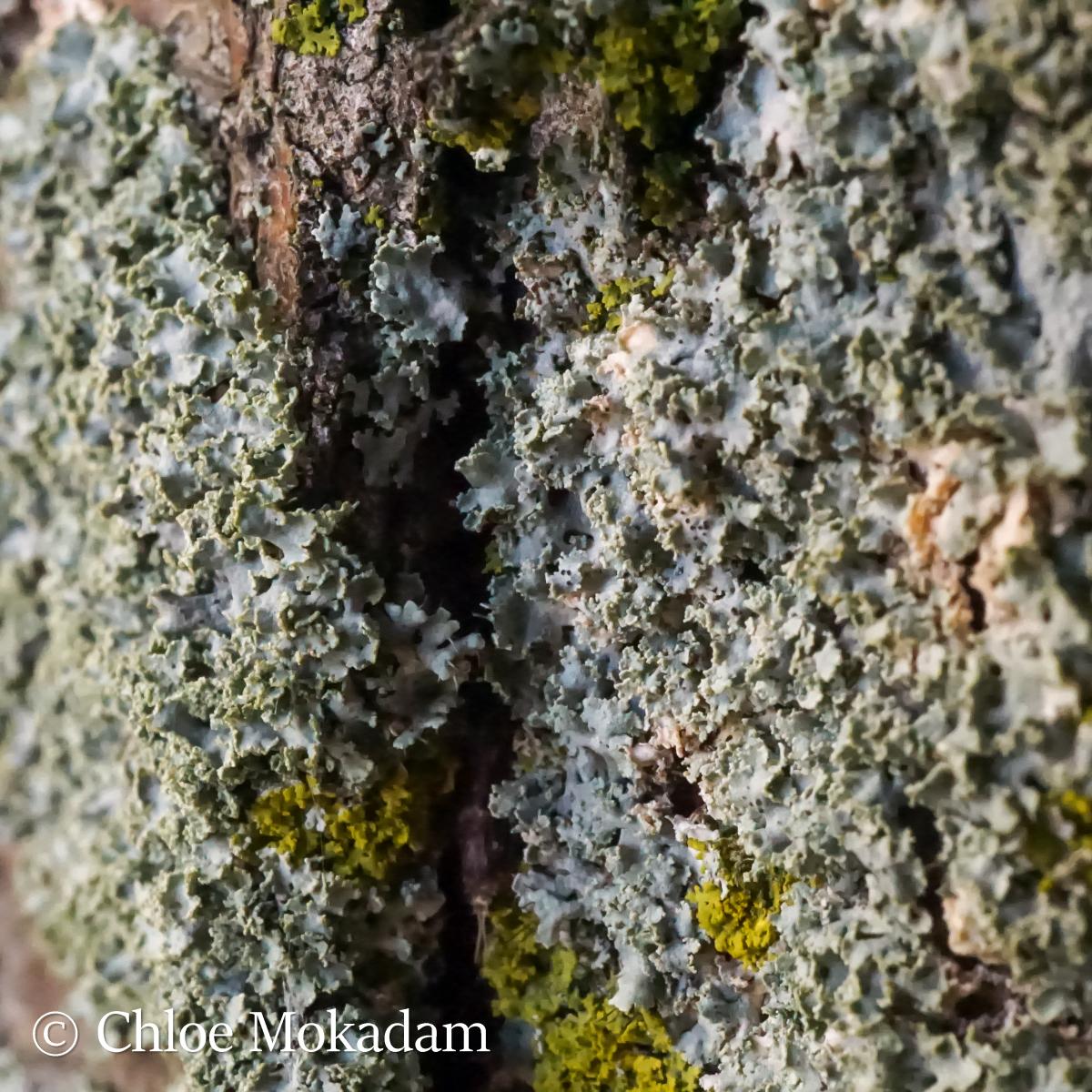
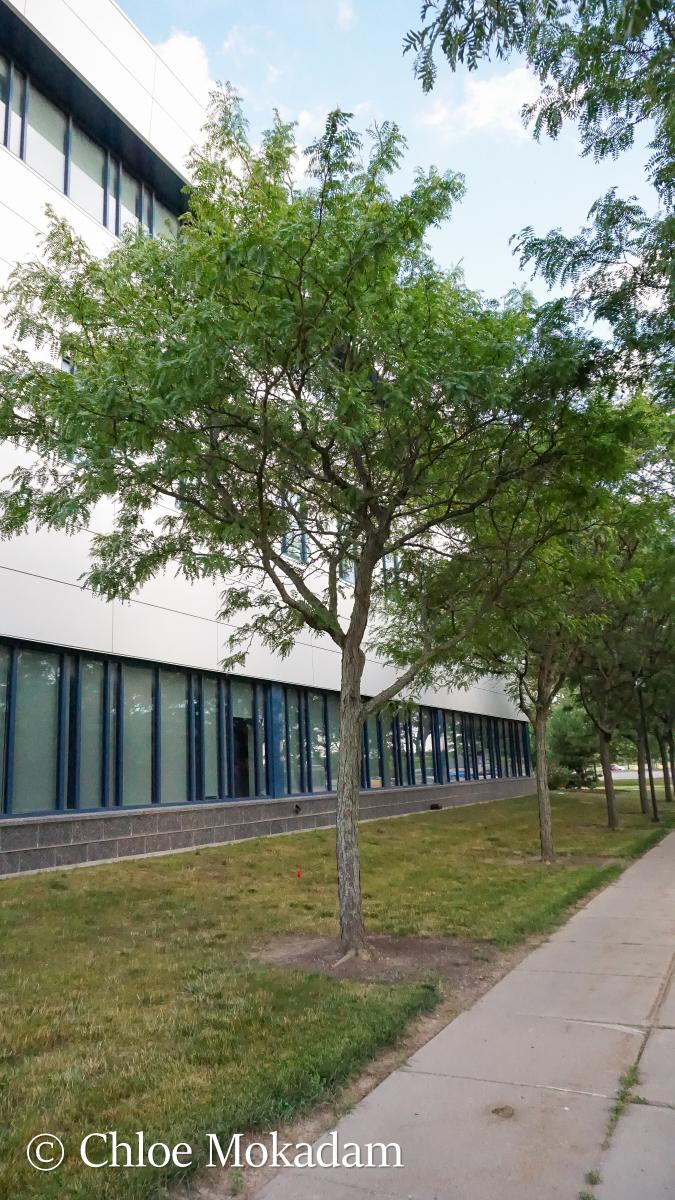
Scientific name: Gleditsia triacanthos var. inermis
Common name: Honeylocust, Thornless Honeylocust
Native: Yes
Native range: The thorned variety is native to and widely distributed across the United States [1,2,3]. The thornless cultivar is distributed across many countries where it is a common feature in plantings and, in some cases, has become naturalized [2,3].
Distribution in North America: Click to view the USDA Plants Database page for G. triacanthos var. inermis.
USDA Zones: 3-8A [3]
Maximum age: Lives to a maximum age of 125 years [4].
Ecology: Though they are now eaten by deer, opposums, raccoons, birds, and small mammals [1,2,4], the leathery, pulpy seed pods once attracted extinct megafauna such as mammoths and giant sloths [6]. Both deer and livestock browse the foliage [1,2,4]. Pollinating insects, including bees, frequent its flowers [1,4].
Ethnobotany: The wood is dense and can be a valuable source of building materials [1,2,4]. Indigenous Americans use the seed pulp as a sweetener, and the seeds can be roasted and used as a coffee substitute or ground into flour [1,2,4,5].
[1] https://plants.usda.gov/DocumentLibrary/factsheet/
[2] https://plants.usda.gov/DocumentLibrary/plantguide/
[3] http://hort.ufl.edu/database/documents/pdf/
[4] https://www.srs.fs.usda.gov/pubs/misc/ag_654/
volume_2/gleditsia/triacanthos.htm
[5] http://naeb.brit.org/uses/species/1752/