



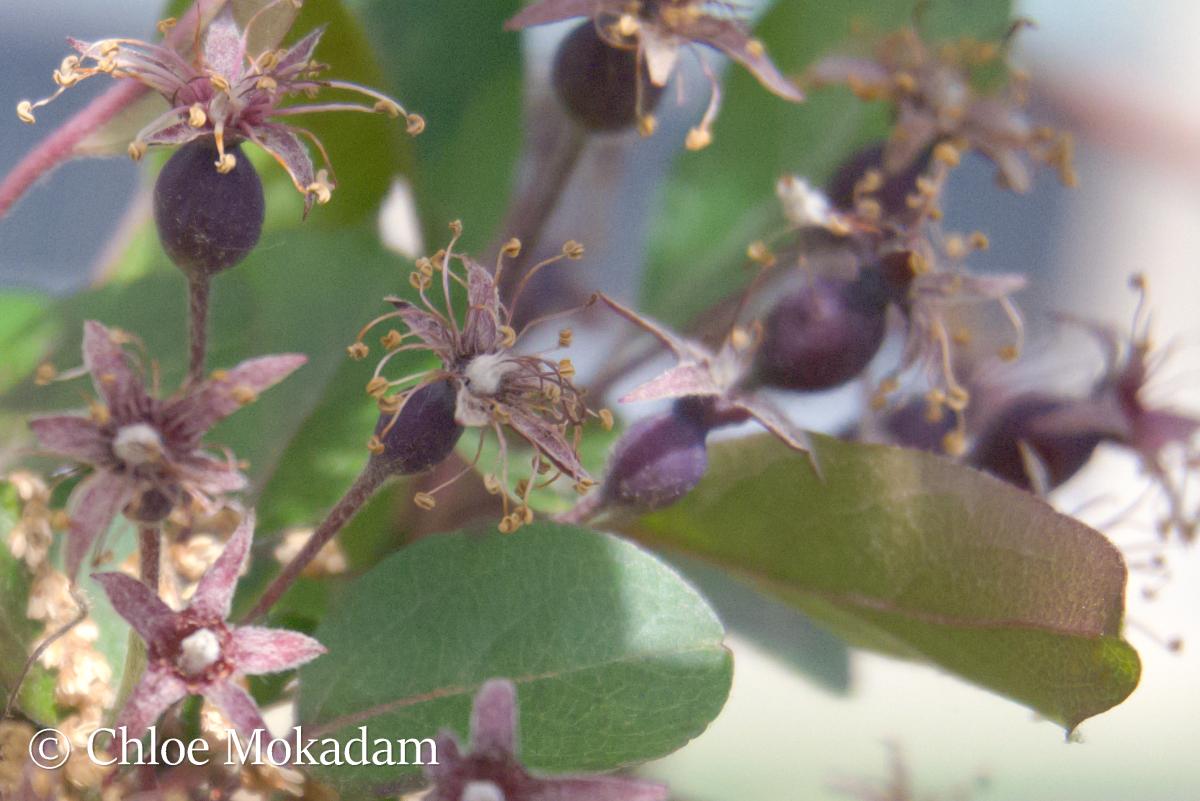

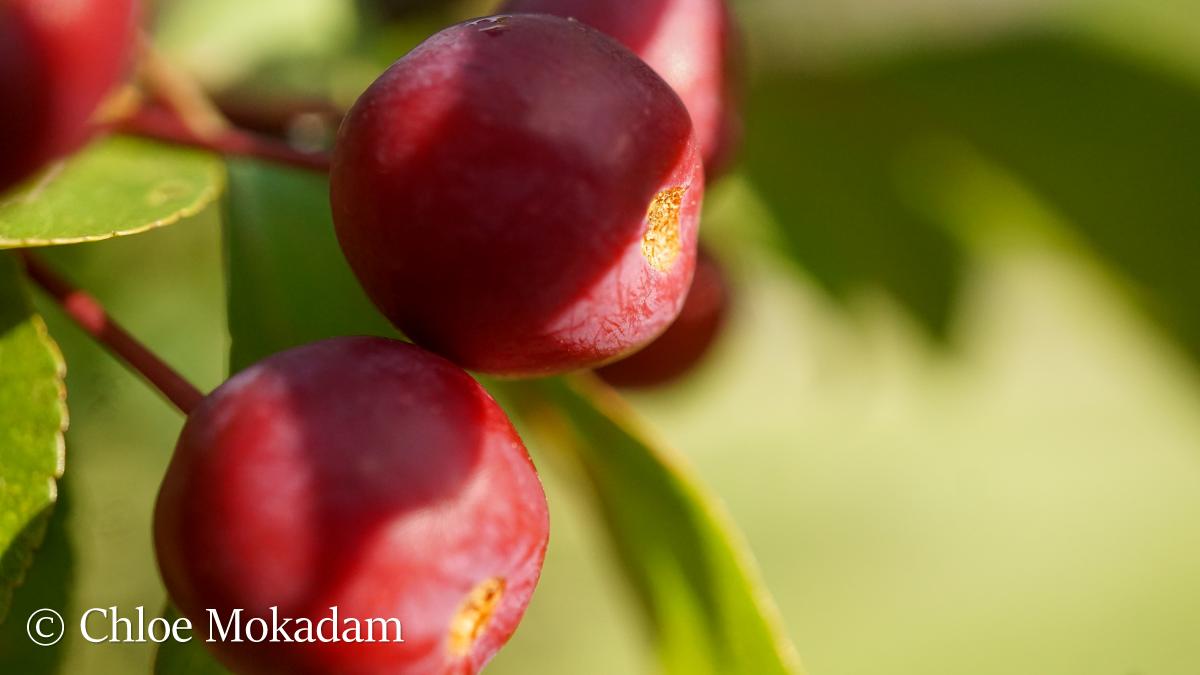
Scientific name: Malus spp.
Common name: Crabapple
Native: Yes
Native range: There are approximately 25 Malus spp. in North America, but just four species are native to North America, while the others are native to Europe and Asia [1,5].
Distribution in North America: Click to view the USDA Plants Database page for Malus spp.
USDA Zones: 4A-8A [2]
Maximum age: May live up to 100 years [4].
Ecology: Deer, bears, birds, and small mammals such as voles browse the fruits, while sapsuckers, hummingbirds, and insects drink the sap [1,5].
Ethnobotany: Although crabapples are smaller and mealier than cultivated apples, they can be used to make apple jelly [1]. Indigenous American groups across North America use native crabapple species for a variety of medicinal and culinary purposes. The Cherokee and Navajo also use it in the preparation of yellow and orange dyes [3].